
The primary and most widespread method for pest control is the chemical method. By its nature, it uses chemical substances called biocides, whose purpose is to kill or repel unwanted "guests." Depending on which pests they target, products are divided into different groups. In professional disinsection, insecticides (against insects) are mainly used, and most of them also have acaricidal action (against ticks and mites). In deratization, rodenticides are applied - substances that kill rodent pests.
What Distinguishes a Biocide from an Ordinary Poison?
For a substance to be classified as a modern biocide, it must simultaneously meet two very important conditions:
- It must be highly effective against a specific type of pest.
- It must be maximally safe for people, pets, and the environment (so-called non-target organisms).
These conditions distinguish biocides from old and dangerous poisons. If a substance kills the pest in very low doses, we speak of high biological effectiveness. But that is not enough. The "ideal" product must have high activity against the insect but low toxicity for humans. The more toxic a given biocide is to mammals, the more dangerous it is to apply and requires stricter safety measures.
Last but not least is environmental safety. Even if the product is effective, if it poisons the soil and water or accumulates in nature, its use is strictly regulated or prohibited.
How Do Products Work?
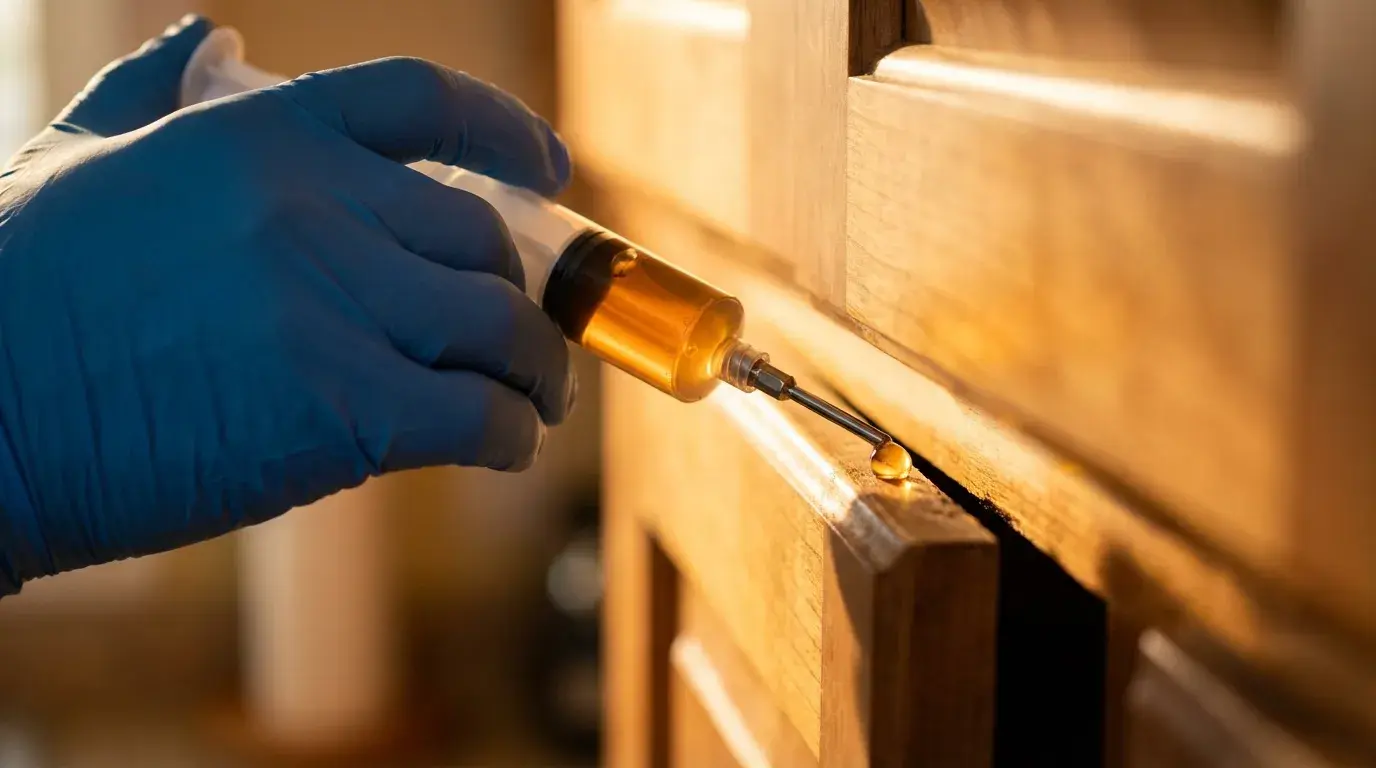
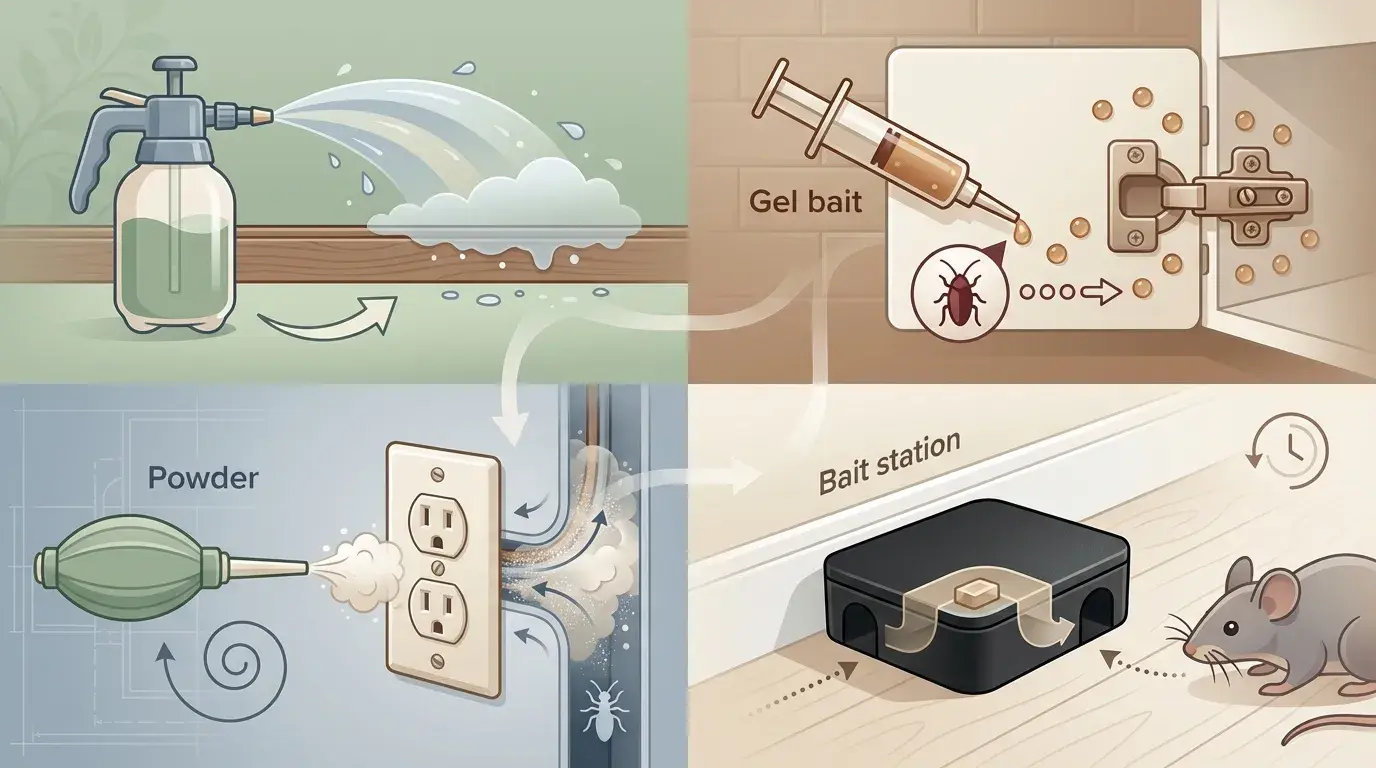
In practice, biocides are offered as ready-made products. They contain an Active Substance (AS) and auxiliary ingredients (solvents, emulsifiers, attractants). The auxiliary substances are important - they determine whether the product will be a spray, powder, gel, or food bait.

What Does the Active Substance (AS) Do?
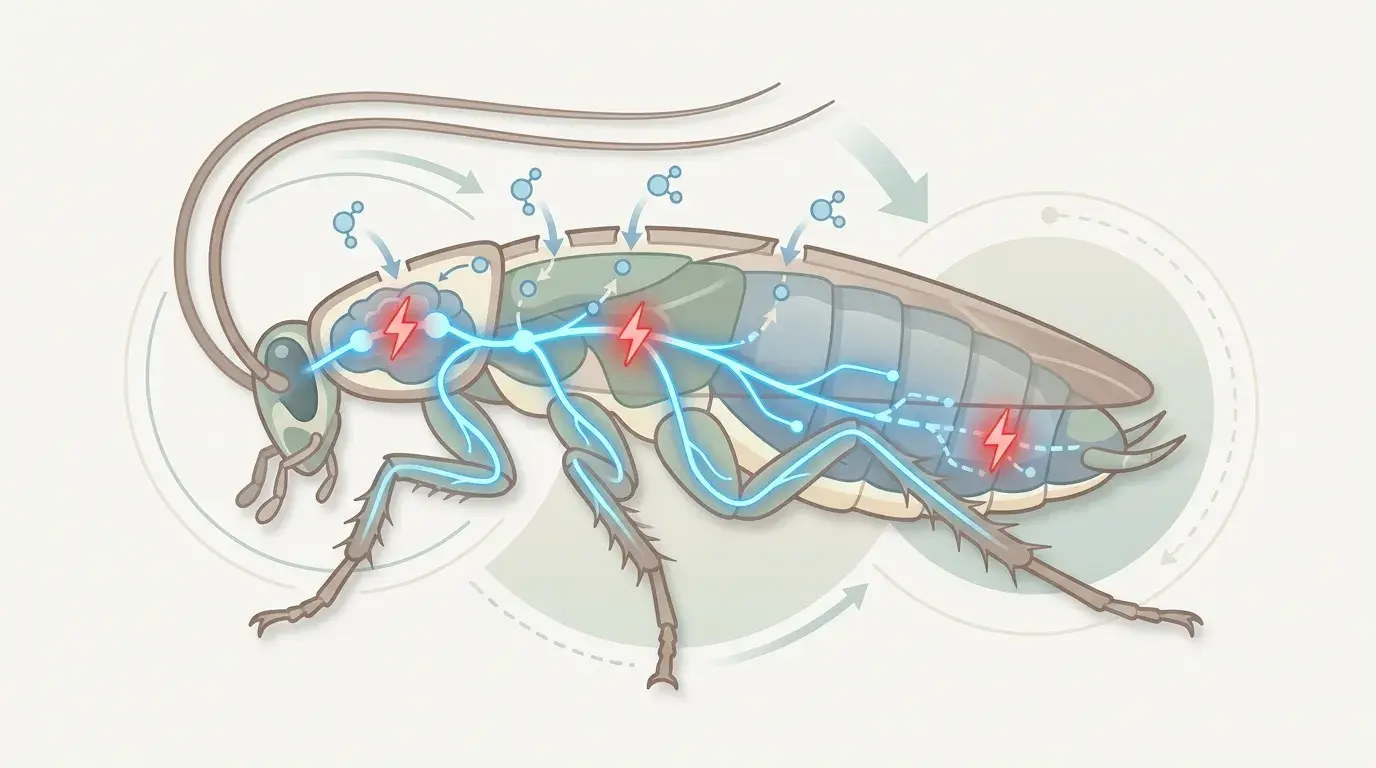
Almost all insecticides attack the nervous system of insects. Since the nervous system of insects differs from that of warm-blooded animals (humans and animals), the products act selectively - they block the nerve impulses of pests, causing paralysis and death, while being relatively safe for us when used correctly.
The Problem of Resistance
Every year, science searches for new active substances because pests evolve. This brings us to the term resistance. This is the ability of a pest population to survive treatment with doses that would normally kill them. When the same product is used too often or in incorrect (low) doses, surviving individuals pass on their resistance to the next generation. Over time, the product stops working.
Frequently Asked Questions and Myths
1. Is There a "Strongest" Product?
Every pest control specialist has encountered the client's desire to use "the strongest." Such a concept does not exist. Effectiveness depends on the type of pest, the environment, and the form of the product (gel, spray, smoke bomb). Only an experienced specialist can determine which product will get the job done in a specific case.
2. If We Double the Dose, Will It Work Better?
The short answer is "yes," but with many risks. Every biocide is tested at a specific concentration. Increasing it may slightly speed up the effect, but beyond a certain threshold, effectiveness does not increase while risks jump dramatically:
- It becomes dangerous for people and animals.
- You can damage furniture and flooring (due to aggressive auxiliary substances).
- At high doses, pests can develop very rapid and lasting resistance, making the active substance unusable in the future.
3. Is There a Universal Product for Everything?
So-called broad-spectrum insecticides exist that act on many species of insects. Nevertheless, there is no way a single product can be used in the same manner for cockroaches, bed bugs, and ants and be expected to produce equally excellent results. Specific products targeted at a particular pest are often the better choice because they are gentler on nature and less likely to cause resistance.
4. Are "Professional" Products Better Than Store-Bought Ones?
The difference is often not just in "strength" but in concentration and safety. Professional products are often more concentrated and toxic, which requires special training and protective clothing to work with them. Products for mass use are designed to be maximally safe for non-professionals, but that does not mean they are not effective. If the label instructions are strictly followed, they also get the job done in milder cases. For serious infestations, however, professional intervention is irreplaceable.