
Rodents
Dormice: identification and humane deterrence
- A local company from Ruse.
- Free inspection in the city of Ruse, by appointment only.
- We do not use poison against dormice. We identify the species, find the entry points and document them for a builder.
- After each treatment we issue a protocol.

Physical characteristics
Dormice are small rodents of the family Gliridae. The one people usually mean is the edible dormouse (Glis glis), known in Bulgarian as съсел, the largest dormouse in the country. It looks like a small squirrel: greyish fur, large dark eyes and a bushy tail, and it weighs 160-200 g before hibernation. Bulgaria has three other dormice, all smaller: the forest dormouse (with a black facial mask), the hazel dormouse and the mouse-tailed dormouse. We tell them apart during the inspection, because the species matters for the law.
Biology and behavior
Dormice are nocturnal: they come out after sunset and are heard as rustling, thumping and squeaking in the attic. The edible dormouse is active from late May to October or November and hibernates for the rest of the year. It eats fruit, nuts, acorns and seeds, and sometimes bird eggs and chicks. It normally lives in forests, old orchards and vineyards, but it can move into houses and huts near woodland. It raises one litter a year.
Harm
Dormice gnaw wooden beams, insulation and electrical cables, which creates a risk of short circuits and fire. They leave droppings and nesting material, contaminate stored food and fruit, and their night noise ruins sleep. The damage is greatest in attics and roof voids that are rarely checked.
What you can do
Check the attic and roof for holes, broken tiles, loose trims and unsealed vents. Remove fruit, nuts and other food from accessible places and trim branches that reach the roof. Do not close the openings until you are sure no animal is left inside: a trapped animal dies and its young are left without a mother. Do not put out poison yourself, because some of the species are protected by law.
What the law says
Dormice are not one species and the law treats them differently. The hazel dormouse and the mouse-tailed dormouse are protected under the Biological Diversity Act: deliberate capture and killing, disturbing them during breeding and hibernation, and destroying their nests are prohibited. The forest dormouse is strictly protected under EU law (Habitats Directive, Annex IV). The edible dormouse is not on these lists, but the Bern Convention, to which Bulgaria is a party, requires a ban on poison and other indiscriminate means of killing species like it. An exception for a protected species needs a written permit from the Minister of Environment and Water. That is why we do not promise the extermination of dormice: we first identify the species, then deter the animals and document the entry points to be sealed.
How we treat it
Professional control
For dormouse control we start with an inspection of the attic and roof: we identify the species, find where the animals get in and nest, and judge whether there are young or animals in hibernation. We document the entry points so that a builder can close them, and we do not seal openings ourselves. We do not use poison against dormice. We choose the deterrence method after the inspection. We work in Ruse and the surrounding villages, as well as in the Razgrad, Silistra and Targovishte areas. The inspection is free only in the city of Ruse, by appointment.
We set the exact price after an on-site inspection. In the city of Ruse the inspection is free.
How the price is setRodents
Other types of rodents
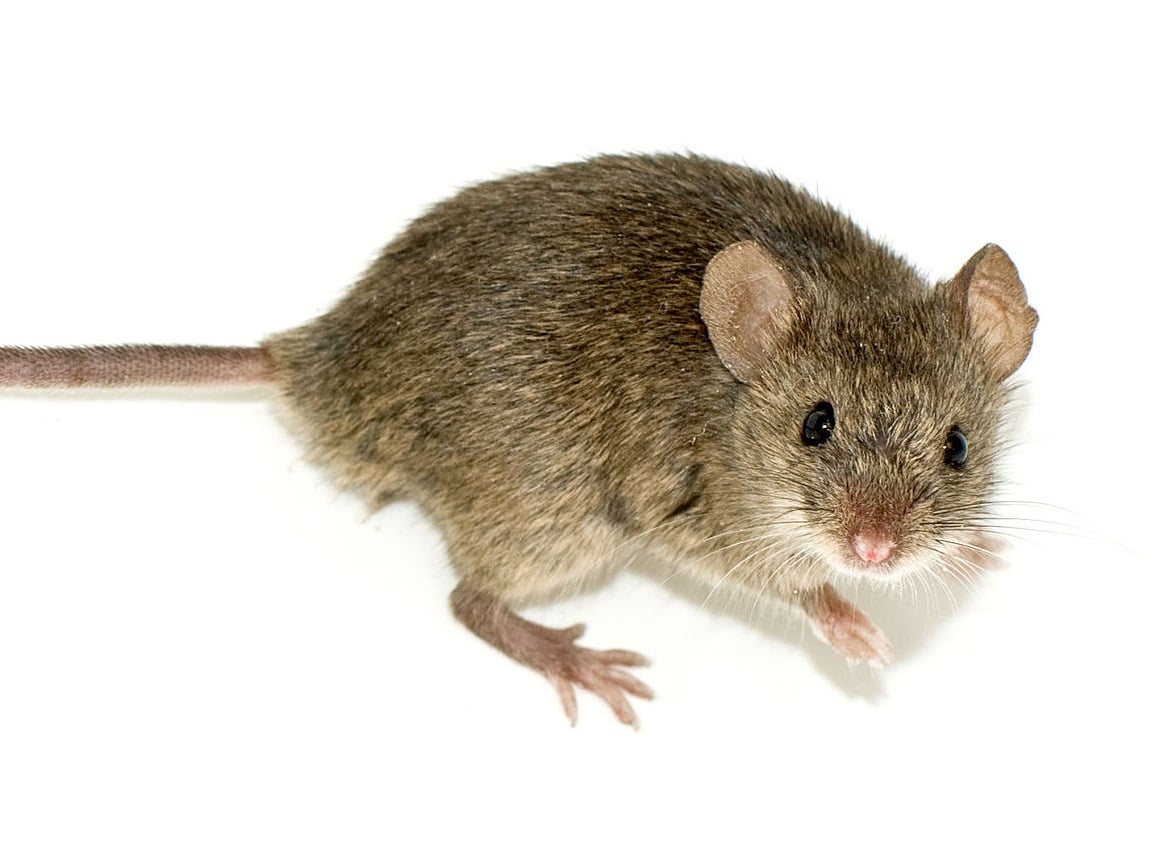

Mouse
A small rodent that squeezes through 6 mm gaps and damages cables and food. Biogard delivers deratization with traps and secured bait stations.
Open page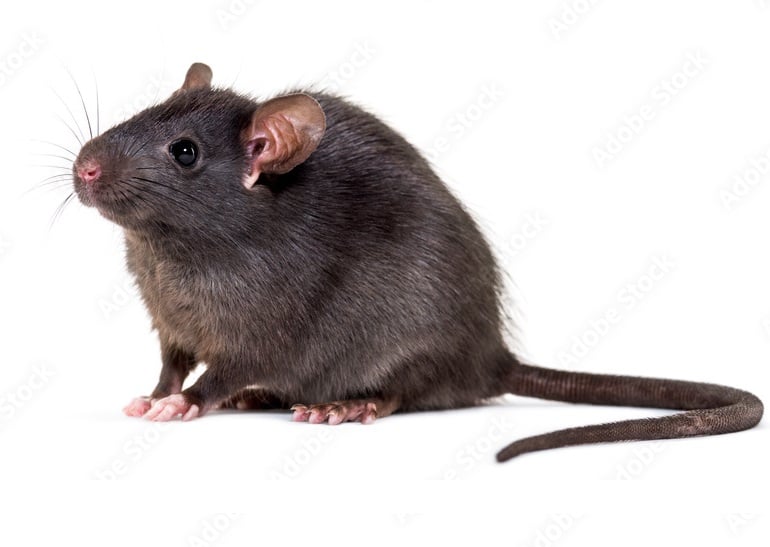

Black Rat
The roof rat, an excellent climber nesting in attics and high places. Biogard offers deratization with traps and secured stations and documents the entry points for repair.
Open page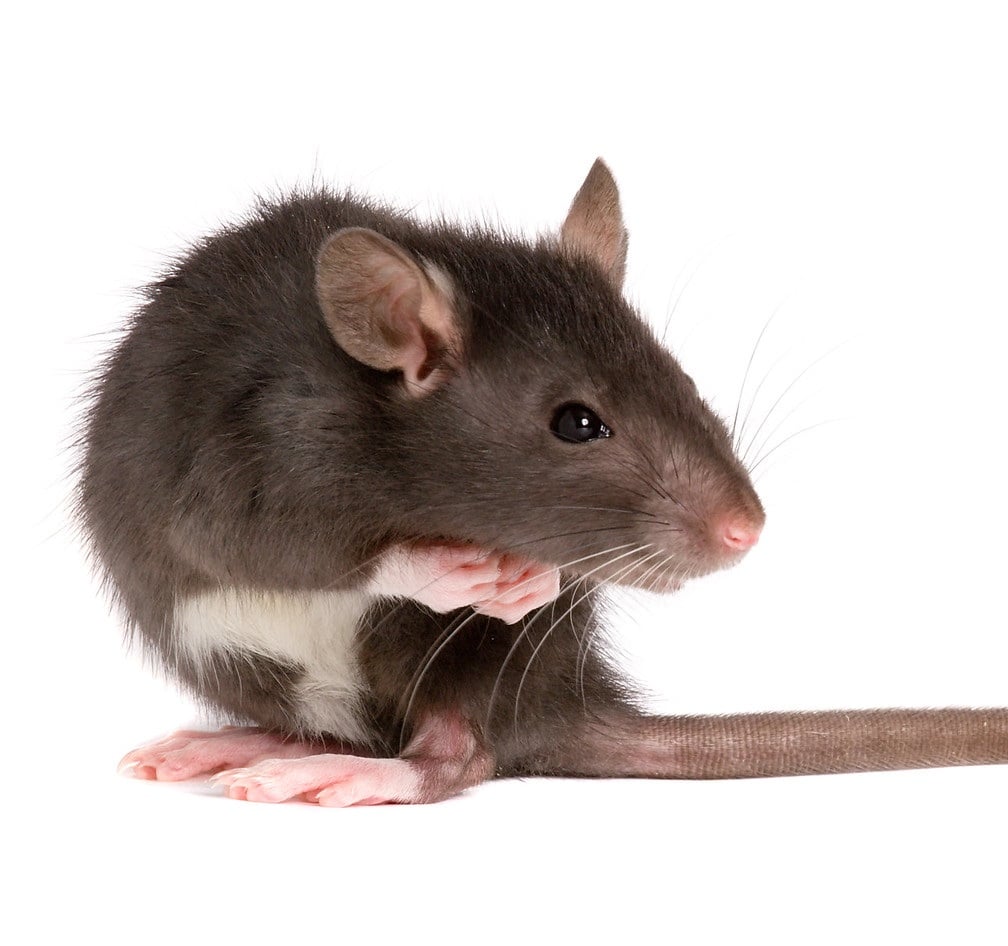
Brown Rat
The largest synanthropic rodent, a burrower and swimmer living in sewers and at ground level. Biogard applies integrated deratization and rodent barriers.
Open page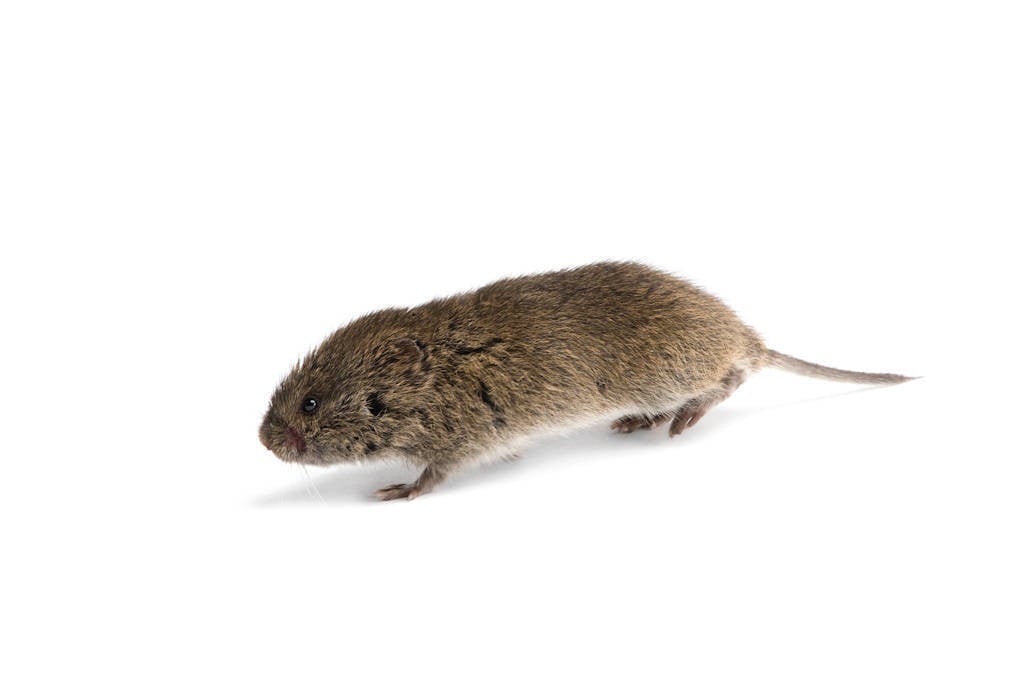
Vole
A herbivorous rodent damaging roots and bark of young trees in gardens and orchards. Biogard applies integrated control with traps and prevention.
Open page
Book an inspection
Dealing with dormice?
The quote is free, and in the city of Ruse so is the inspection. We come to the property, identify the species and the extent of the infestation, and propose a treatment plan.